
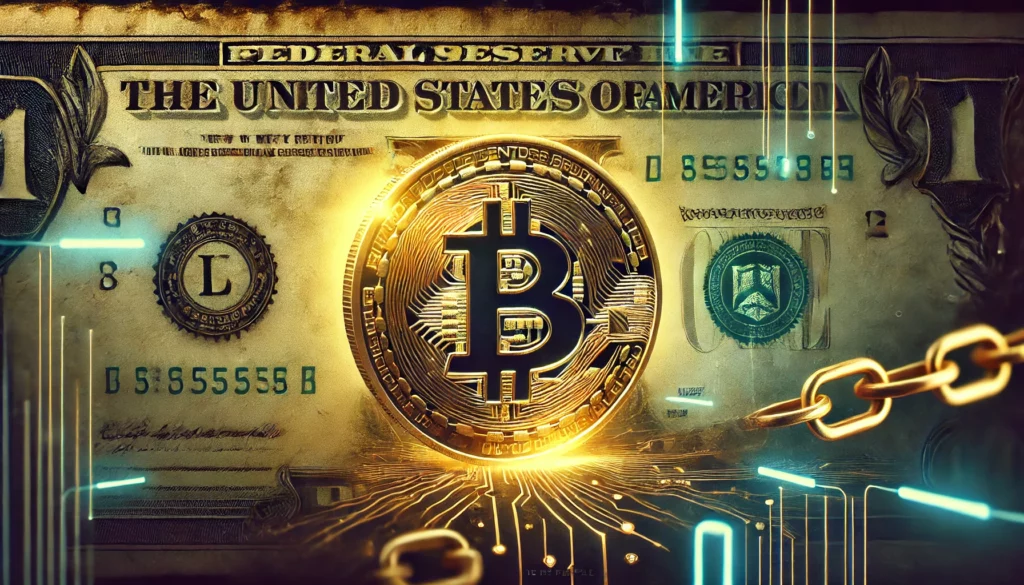
Seemingly impervious to economic gravity, U.S. debt ascends to stratospheric levels. This trajectory portends a dire fate; as Austrian theorists have long admonished, such profligacy confines a nation to the inescapable gyre of inflation – the “hidden taxation” that erodes the common person’s purchasing power. It is not within the power of vigilance to restrain forever the built in requirement that debt based currency self destruction. It can only be that lessons learned here prevent central banking from ever taking control of our nation’s issuance of credit again. It must be stopped and it would be better to end it now rather then wait for the fallout of its failure. Click The Button Below To Read More.
My findings are well-researched and deeply considered. I urge readers to heed the signs and take measured, informed actions to protect and preserve their wealth. The stability of the economy is precarious; the climb of debt is unsustainable; the strength of fiat currency is waning. Gold and silver remain our constants, our safeguards. Position yourself with prudence, and let the fortitude of precious metals anchor your financial future amidst the swirling tides of economic uncertainty. To Read More Click The Button Below.
Rafi Farber and Phil from the Endgame Investor explore how money and politics are connected. They discuss how changes in the economy can affect everyone, like when the value of gold rises or when the government cuts spending. They also talk about how these changes might lead to big shifts in society, like more fairness in wealth distribution. …Learn More, Click The Button Below.
The current landscape does little to assuage concerns harbored by astute observers. The central bank’s propensity to monetize debt is akin to firefighting with gasoline, fostering an environment where debt levels grow exponentially, divorcing public spending from fiscal prudence. Click The Button Below To Read More
Given the unreliable nature of fiat currencies and the potential for rapid devaluation, a concerted move toward physical holdings in gold and silver is sensible. Reducing exposure to the debt-laden monetary system acts as a buffer against the looming threats of inflation and market volatility. Pre-1965 coins, which carry intrinsic metal value, are of particular note for their dual role as currency and tangible assets. Click The Button Below for More Information.
In the coming weeks, as we peer into the unfolding tableau of economic developments, our collective obligation is to critique, scrutinize, and ultimately advocate for adopting policies in line with Austrian Economics that promise prosperity, stability, and the preservation of individual liberty. It is therein that we may find our path to restoring fiscal health and rekindling the vibrant energy that once characterized our markets. To Read More Click The Button Below.
Sadly, I see a system being fecklessly dismantled. The fiscal irresponsibility we witness and the egregious oversight in managing the lifeblood of our economy—the US dollar—could lead us to a precipice from which return is impossible. Should the dollar reach the critical stage known as a credit crisis, we will have reached the point of what Austrian economists call the “Crack Up Boom.” Click The Button Below For More Info.
Central banks worldwide are reconsidering the 2% inflation target, which could lead to significant changes in monetary policy. This shift may result in higher inflation rates and impact asset prices. The European Central Bank (ECB) has expressed a desire for more flexible approaches to achieve stability, moving away from strict adherence to the 2% target. Learn More – click the link below
In his market report, Gregory Menorino warns of economic instability as US commercial banks seek financial assistance from the Federal Reserve. He predicts an imminent systemic crash and advises reducing reliance on banks, suggesting investments in commodities and precious metals. With increased debts and inflation on the horizon, it’s time to consider alternatives. Learn More – click the link below.