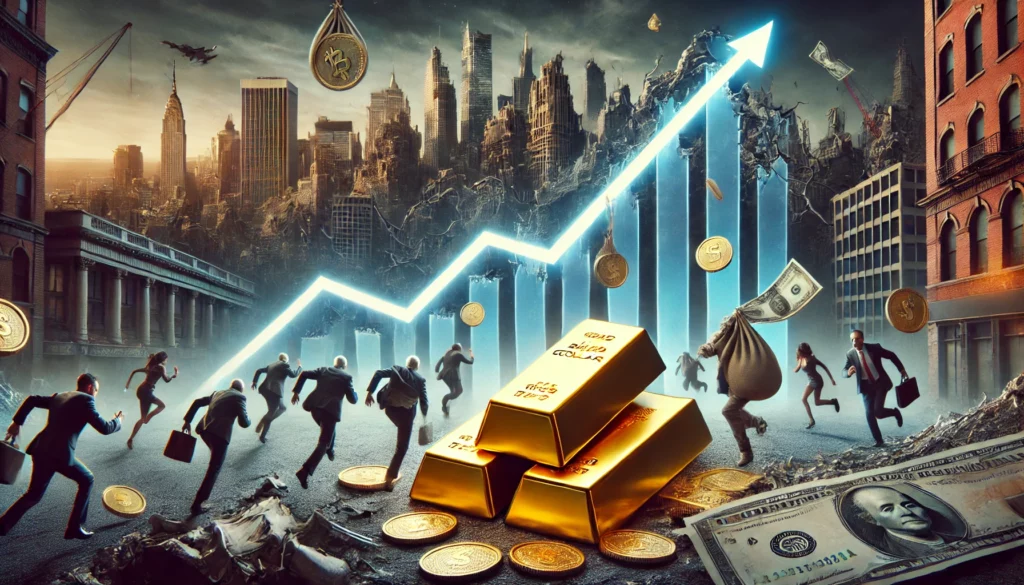
The signals are becoming more intense to those discerning readers: the Federal Reserve’s latest bid to resuscitate the ailing economy through asset purchases has done little more than apply a temporary bandage. Rates are creeping up once more, with the U.S. 10-year Bond Yield now steadfastly refusing to stay down after a few days of Fed money printing remains starkly elevated at 4.27%. It is as if we are counting down the final ticks of the clock for a dollar-based debt currency life cycle. Click The Button Below For More Information.
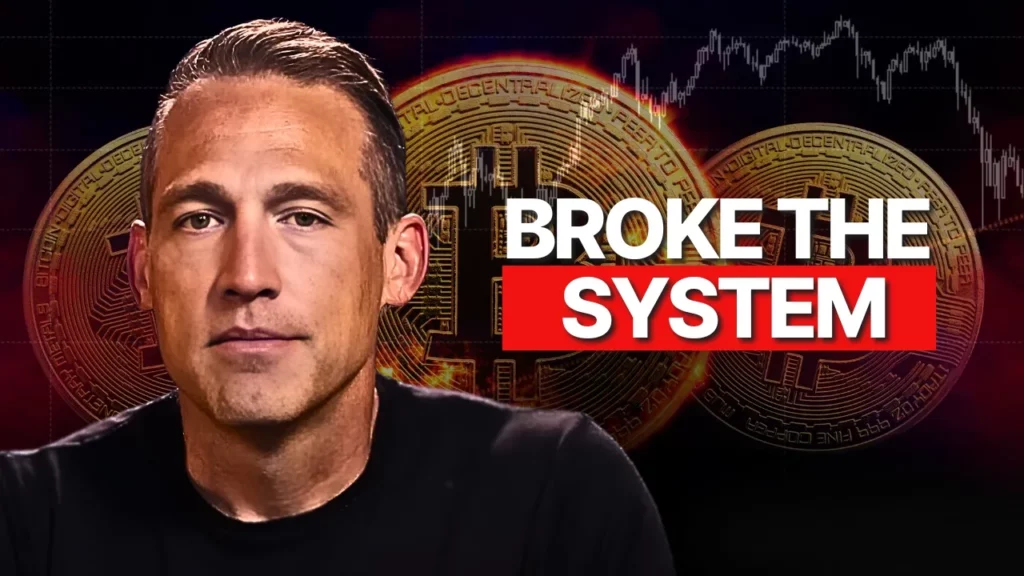
Mark Moss talks about how to discover a strategy that even big companies are using to boost their success! By investing in Bitcoin, companies like GameStop are protecting their money and growing their stock value. You, too, can use Bitcoin to build wealth without needing Wall Street’s help. It’s a simple way to take control and possibly earn more! …Learn More, Click The Button Below.
If non-interventionist solutions are not pursued to reduce debt, curb inflation, and restore interest rate integrity, the prognosis for economic health remains grim. The ever-increasing embrace of gold and cryptocurrencies indicates an anticipated systemic evolution—where value resides in tangibility and decentralization versus the capricious whims of fiat decrees. Austrian Economics provides more than just cautionary tales; it embodies the potential for a financial renaissance rooted in discipline, autonomy, and uncompromised market liberty. The choices we make today will indelibly shape the economic realities of tomorrow. For More Information Click The Button Below.
Our precarious predicament is further amplified by the subtle market manipulations orchestrated by political and financial institutions. The free market, which should operate under the laws of supply and demand, finds itself unnaturally influenced, leading to distortions and inefficiencies. These maneuvers skew the reality of the marketplace, surreptitiously shaping outcomes to the benefit of the select few while undermining the economic sovereignty of many. To Read More Click The Button Below.
In stark contrast to my previous article’s cautionary tone, current trends have only fortified concerns. If unabated, the perennial increase in debt levels prefigures an ineluctable deceleration of economic vigor and a possible collapse of the debt edifice. Heightened by the exuberance in financial markets, the divergence from economic fundamentals to artificially stimulated growth is palpable and perilous. To Read More Click the Button Below.
The economic underpinnings of the United States, and by extension, the Western world, are quivering under the dual pressures of a swelling debt burden and a monetary system tethered to relentless borrowing. As we sift through the layers of economic reports and analyses, the patterns crystallize into a narrative of profound concern—an economy flirting with the terminal stages of a dollar-based debt currency cycle. For More Information Click The Button Below.
As a perennial advocate for preparedness, I reiterate the imperativeness of readiness for a post-debt market landscape. The trappings of modern convenience may become a vestigial luxury; hence, the prescient will now stock up on food, water, alternative energy sources, and the like, ensuring a semblance of steadiness in potential tumult. Click The Button Below To Read More.
What happens, however, if people expect that, in the future, the money-supply growth rate will increase to ever-higher rates? In this case, the demand for money would, sooner or later, collapse. Such an expectation would lead (relatively quickly) to a point at which no one would be willing to hold any money — as people would expect money to lose its purchasing power altogether. People would start fleeing out of money entirely. This is what Mises termed a crack-up boom. For More Click The Button Below.
The scenario laid out here is not a mere exercise in economic forecasting—it reflects a deeply fractured system. My decades of research and commentary compel me to impart a hard truth: We are likely in the final months of a dollar-based debt currency life cycle. The signs are evident, and history is dotted with the remnants of similar economic declines. An institutional malaise hollows out economies, leaving unprepared populations to grapple with diminished wealth and purchasing power. Click Below to Read More.
The consequences of inflation are malinvestment, waste, a wanton redistribution of wealth and income, the growth of speculation and gambling, immorality and corruption, disillusionment, social resentment, discontent, upheaval and riots, bankruptcy, increased government controls, and eventual collapse. – Henry Hazlitt To Learn More Click The Button Below.