Judicial Watch, a legal group, is working hard to keep voter lists accurate. They remove names of people who can’t vote anymore, like those who moved away or passed on. So far, they’ve cleaned up 5 million names but think 20 million more need checking. Some states and the Democratic Party disagree, but the group keeps pushing for fair elections. …Learn More, Click The Button Below.
In Washington D.C., there’s a lot of talk about crime and government issues. People are worried about how the FBI handles cases, like the D.C. pipe bombing and the Supreme Court leak. Some think the FBI can’t be trusted and want a new team to investigate. Others are focusing on cleaning up voting lists to ensure fair elections. …Learn More, Click The Button Below.
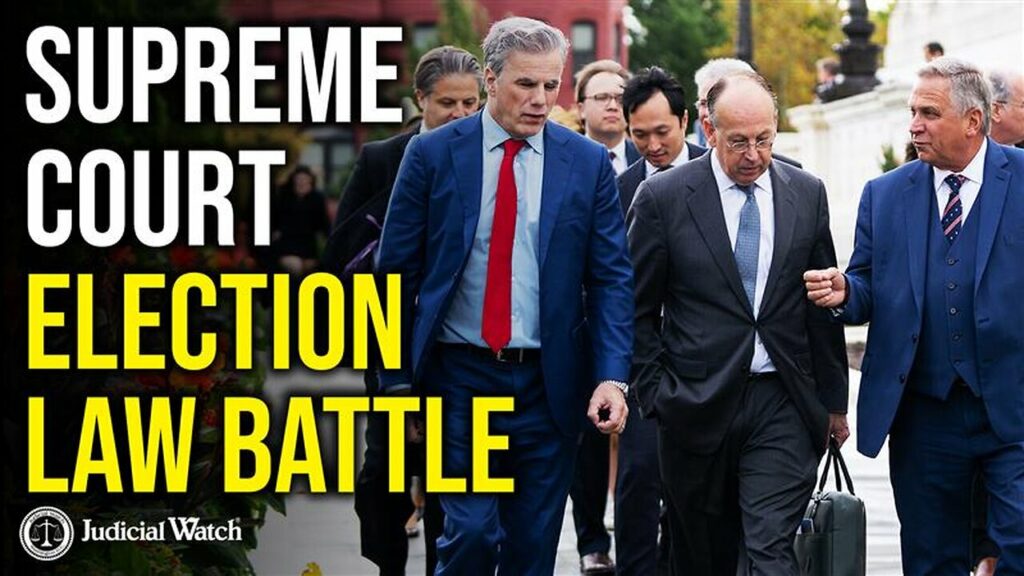
The Judicial Watch channel talks about how the Election Integrity Group is working to ensure fair elections by challenging rules that allow ballots to be counted after Election Day. They argue that this practice can harm candidates by increasing campaign costs and causing confusion. The group believes that all candidates should have the right to challenge election rules to promote fairness and accuracy. …Learn More, Click The Button Below.
The Epstein scandal is causing trouble for President Trump, with many people wanting to see Epstein’s records. Trump worries about false information being used against him. Some suggest releasing the records to build trust. Tom Fitton, from Judicial Watch, urges transparency and questions government actions on issues like censorship and border control, encouraging public involvement. …Learn More, Click The Button Below.
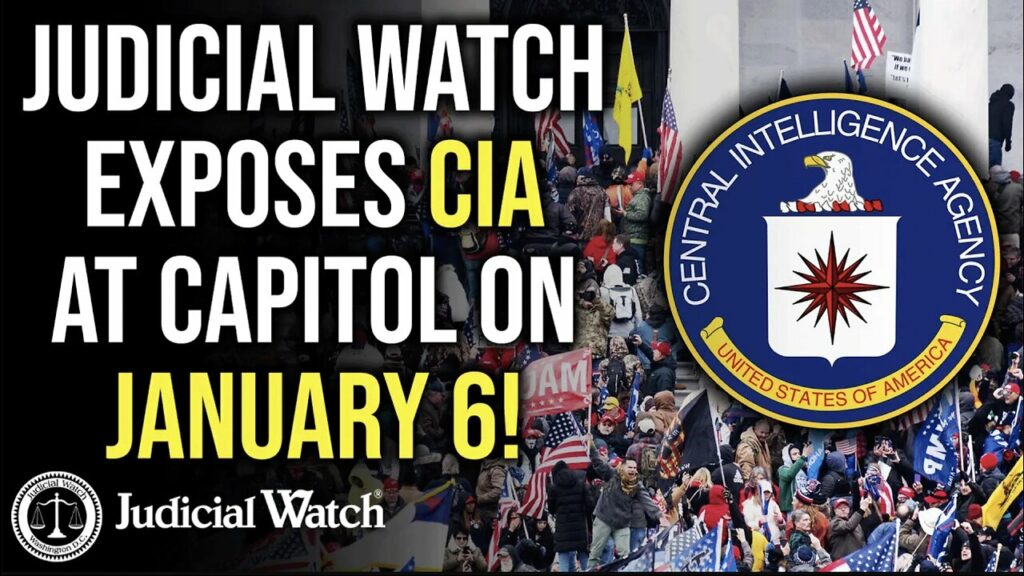
Judicial Watch found out that the CIA helped during the January 6th events at Capitol Hill. They had bomb experts and dogs ready. This discovery makes us wonder why the CIA was involved and why we didn’t know sooner. Judicial Watch had to go to court to get these important documents. …Learn More, Click The Button Below.
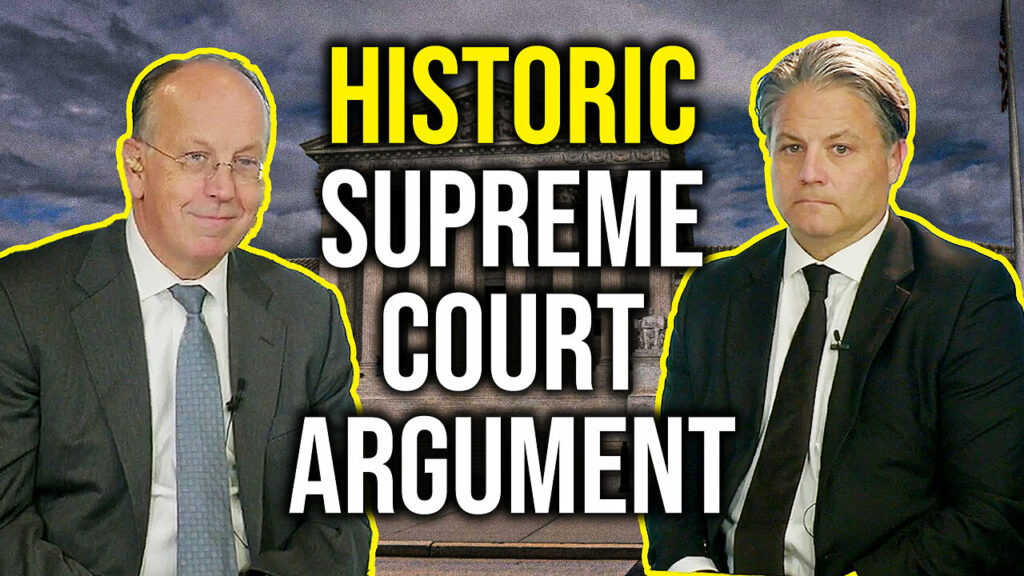
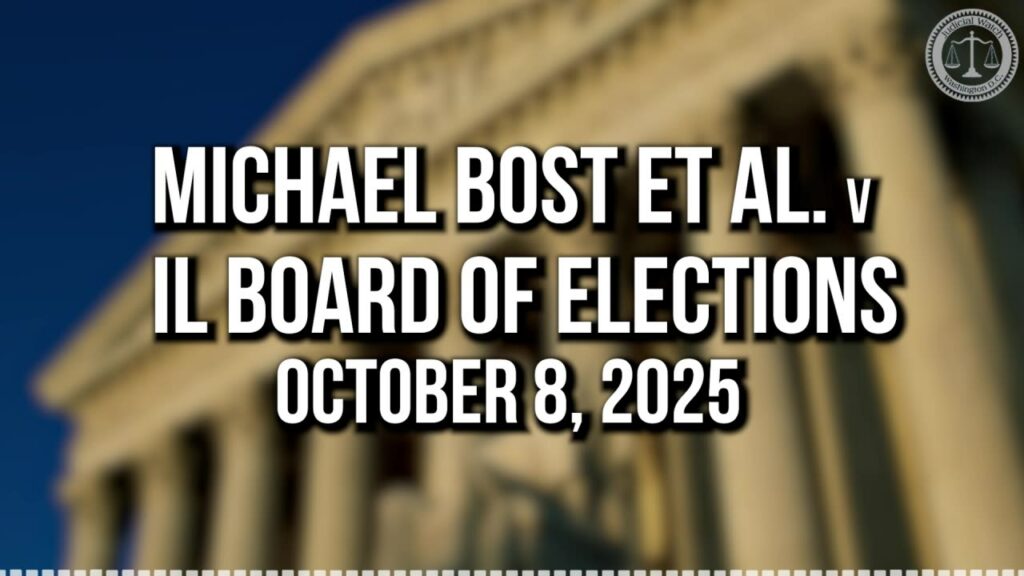
In the case of Bost versus the Illinois State Board of Elections, the debate centers on whether mail-in ballots received two weeks after Election Day should be counted. Congressman Bost argues this could unfairly affect his election results and increase campaign costs. The court is examining if these concerns are significant enough to allow him to challenge the rules. …Learn More, Click The Button Below.
Judicial Watch talks about how in the case of Bost versus the Illinois State Board of Elections, there’s a debate about counting mail-in ballots received after Election Day. Congressman Bost worries this could hurt his election chances and increase campaign costs. The court is deciding if these concerns are enough for him to challenge the rules legally. …Learn More, Click The Button Below.
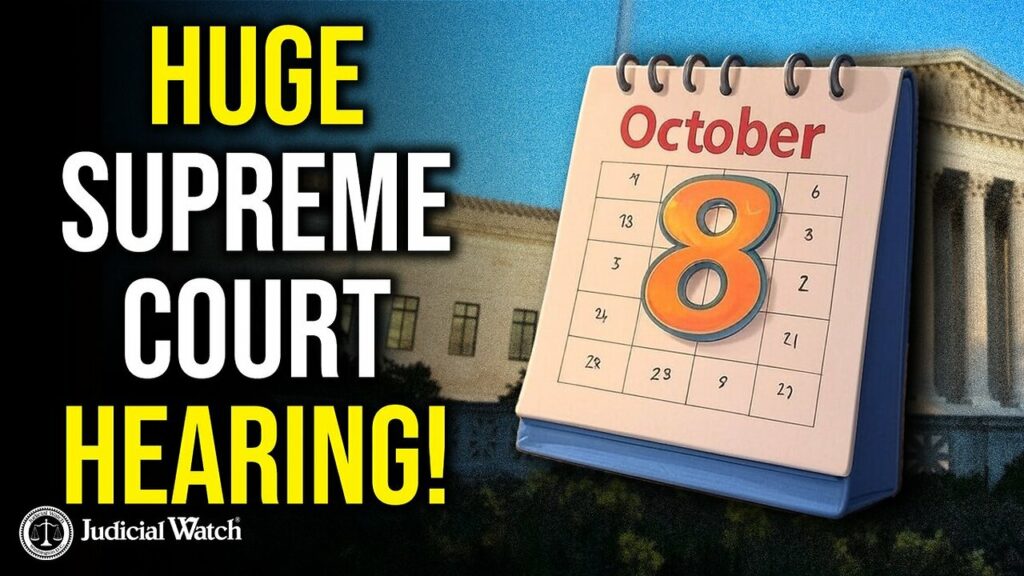
Judicial Watch is challenging an Illinois law that lets ballots be counted up to 14 days after Election Day. They believe this could lead to voter fraud and reduce trust in elections. The Supreme Court will hear the case, which could affect similar laws in other states and influence future elections. …Learn More, Click The Button Below.
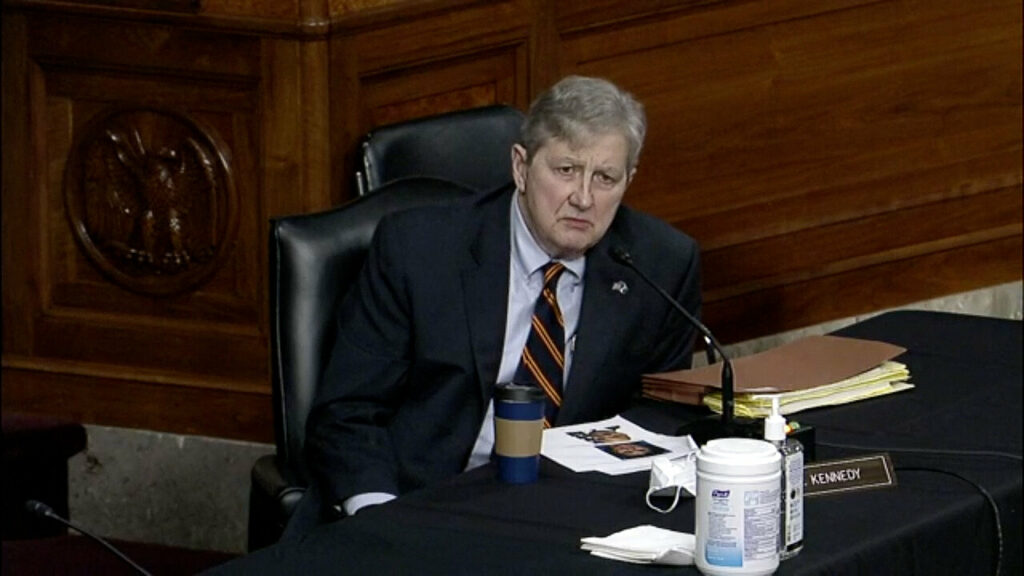
In a chat with Senator Kennedy, Judge Boardman explains how she figures out important rights not clearly written in the Constitution. She uses research and past Supreme Court decisions to help her. They also talk about who should decide on rights like education, with Boardman saying the Supreme Court can interpret the Constitution for these issues. …Learn More, Click The Button Below.
Judicial Watch is challenging an Illinois law that lets ballots be counted up to 14 days after Election Day. They argue this goes against federal law, which sets Election Day as the first Tuesday after the first Monday in November. The Supreme Court will hear the case, aiming to ensure fair elections and uphold federal rules. …Learn More, Click The Button Below.