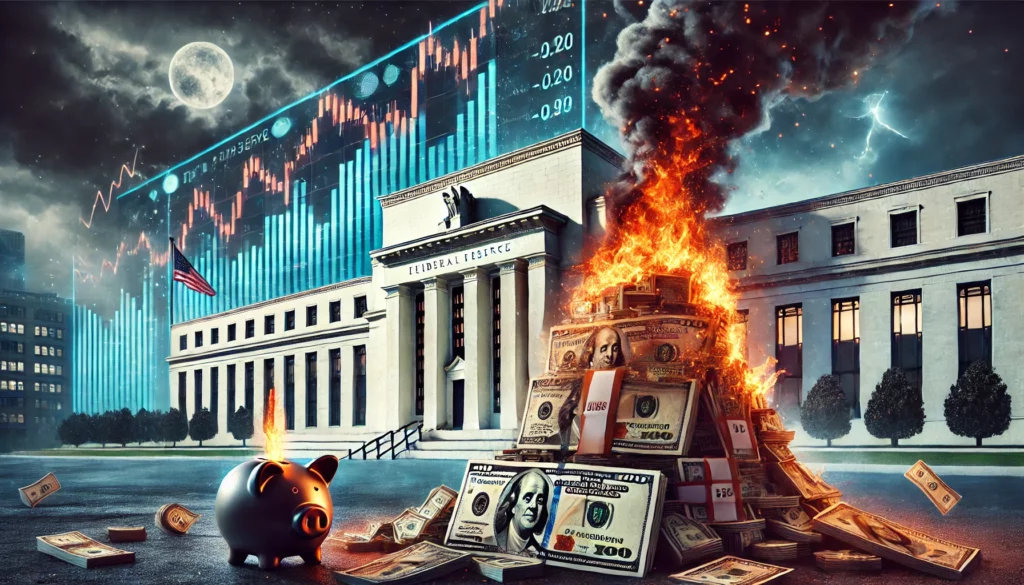
Thus, as the debt dilemma deepens, the Call for a refocus on Austrian Economics becomes more pressing. The solutions advanced by Mises, Hayek, and Rothbard—those of free markets, sound money, and restrained government intervention—are not relics of a bygone era but beacons that could guide us back to a path of genuine prosperity. Investors and citizens alike should heed these principles, for in their application lies the hope of avoiding the most ruinous outcomes of our current financial trajectory. By embracing these fundamentals, we can work towards a stable and thriving economic future. Click The Button Below To Read More.
The current landscape does little to assuage concerns harbored by astute observers. The central bank’s propensity to monetize debt is akin to firefighting with gasoline, fostering an environment where debt levels grow exponentially, divorcing public spending from fiscal prudence. Click The Button Below To Read More
Our latest market report provides pivotal data and financial forecasts amid economic turbulence marked by heightened inflation uncertainty. This week’s report highlights key market variables, including precious metals, commodities, and significant economic indicators such as the US 10-year Bond Yield. With an unusual pattern of debt purchasing lowering yields, we assess the implications for the dollar and investment strategies. This report guides investors contemplating shifts from riskier assets to more secure investments in light of current market conditions. To Read More Click The Button Below.
The debt-laden narrative of the U.S. financial system lumbers forward unabated. Our national debt is a Jenga tower built on the quicksand foundation of fiat currency and low interest rates, and the perilous stack grows taller by the quarter. This exponential increase in debt, juxtaposed against the modest contraction in crude oil inventories, reflects an economy still reeling from the complexities of supply chain reconstruction, consumer behavior mutation, and proclivity towards demand-stimulating policies. For More Information Please Click The Button Below.
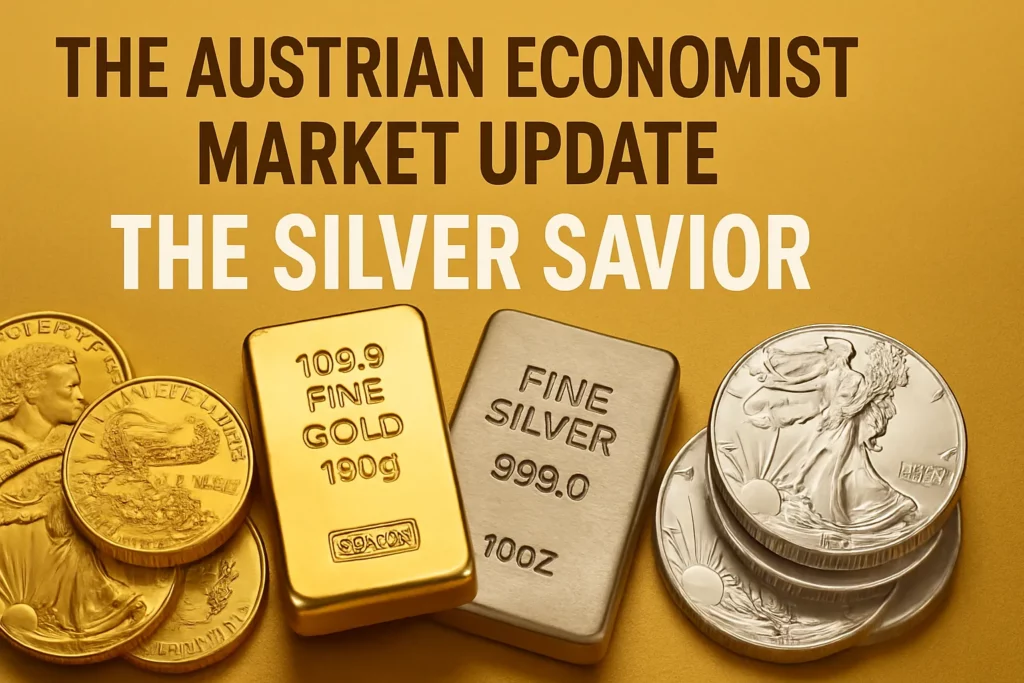
The fundamental attention on the gold-to-silver ratio is warranted, as it has decreased to 83.13 from 86.66 since our last report. This ratio tracks the relative strength of gold-to-silver prices, reflecting how many ounces of silver are required to purchase one ounce of gold. A declining ratio could signal that silver is undervalued relative to gold, which may attract investors seeking value, leading to a bullish outlook for silver. Click The Button Below For More Information.
Significant government debt purchases impact bond yields and signal potential shifts across multiple sectors, including housing, commodities, precious metals, and cryptocurrencies. A host of key market indicators and macroeconomic policies are poised to influence the dollar’s valuation. We guide investors to navigate the current landscape, emphasizing prudent investment strategies. Click The Button Below To Read More.
The market landscape as of mid-November 2024 shows a complex interplay of factors affecting the dollar’s valuation and investment climates. A surge in government debt purchases is prompting a notable influence on various asset classes, with significant implications for commodities, equities, precious metals, and the fixed-income market. This report analyzes the present conditions and project developments for the upcoming three months, focusing on relatively secure avenues against prevailing market uncertainty. Click Button Below To Read More.
In his pre-market report, Gregory Manorino highlights the Federal Reserve’s intervention, which has resulted in an artificially suppressed debt market. This has led to a decrease in the ten-year yield and dollar strength, while the MMRI falls below 300. Although stock futures and commodities like gold, silver, and crude oil show upward trends, the forecast for the future remains challenging due …Learn More, Click The Button Below.
In his market report, Gregory Menorino warns of economic instability as US commercial banks seek financial assistance from the Federal Reserve. He predicts an imminent systemic crash and advises reducing reliance on banks, suggesting investments in commodities and precious metals. With increased debts and inflation on the horizon, it’s time to consider alternatives. Learn More – click the link below.
In his recent analysis, Gregory Manorino highlights the subtle signs of a looming war that many may be overlooking. The stock market’s recent behavior suggests that it may be factoring in this potential conflict. Manorino speculates that a war could lead the Federal Reserve to adjust interest rates, potentially benefiting the stock market and commodities. However, there are risks to consider, such as